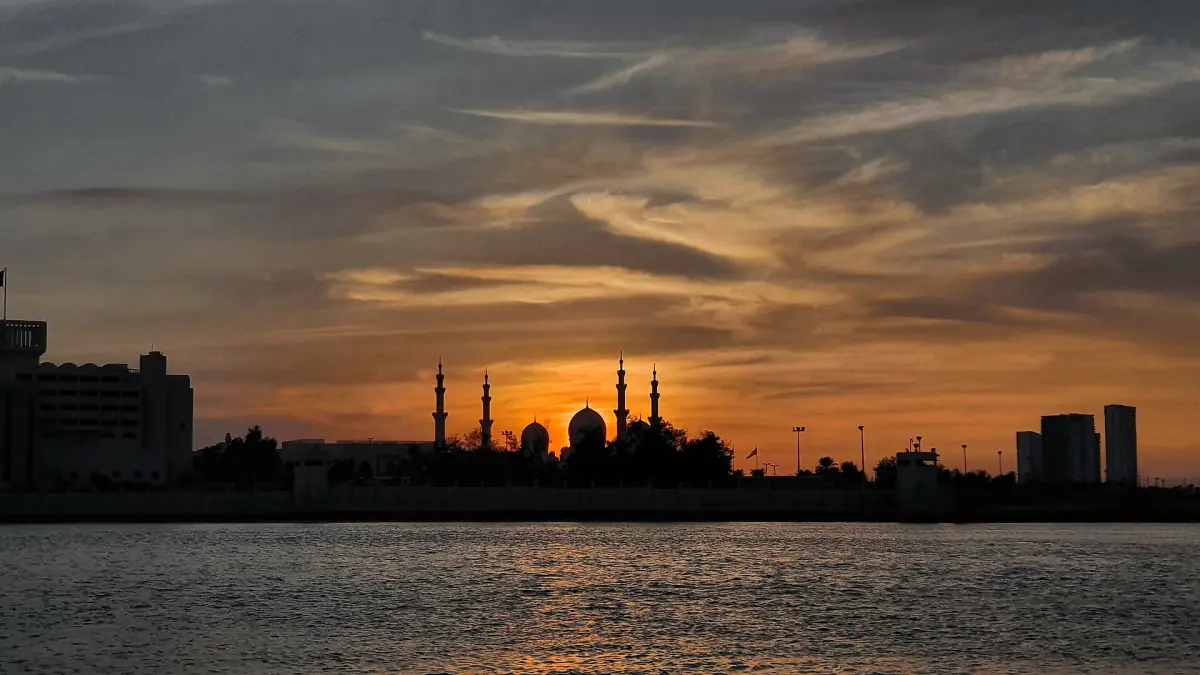
The history of the Sheikh Zayed Mosque
The mosque in Abu Dhabi is named after Sheikh Zayed bin Sultan Al Nahyan, the founder of the United Arab Emirates. Building began on 5 November 1996. The inner prayer halls first opened for Eid al-Adha in 2007, and the whole project took about 11 years.
Sheikh Zayed died in 2004, so the mosque was opened for prayer only after his death. Today it is an active mosque and a cultural site that receives visitors on set routes. To see the building with a guide, look at the free public cultural tours and private options on the Sheikh Zayed Mosque tours page.
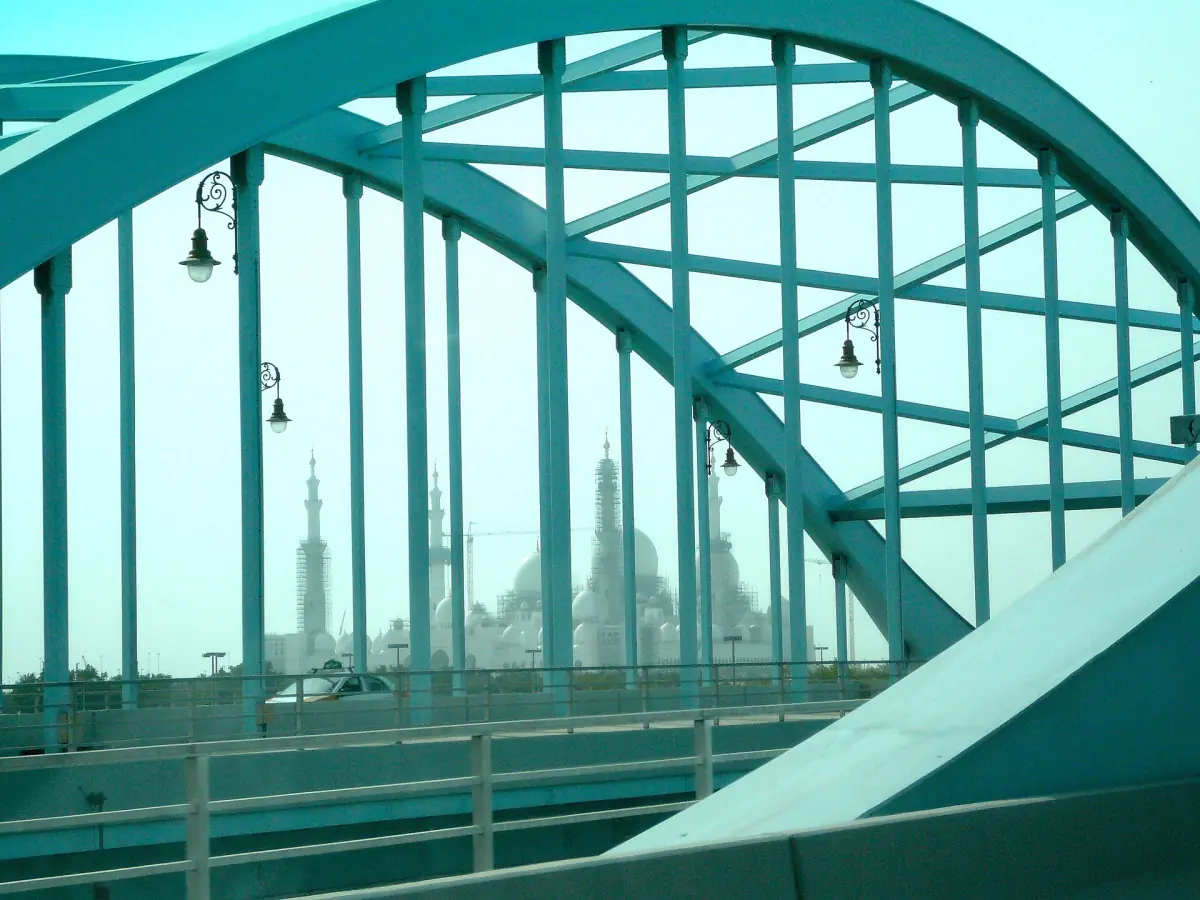
Sheikh Zayed bin Sultan Al Nahyan
The man behind the name.
Sheikh Zayed was born in 1918 and died in 2004. He became ruler of Abu Dhabi in August 1966. The emirates united to form the UAE on 2 December 1971, and he is regarded as the founder of the state.
Our pick: mosque and palace from Dubai
The mosque and Qasr Al Watan together tell much of the story of the modern state.
Hand-picked tours, booked through GetYourGuide. Prices are indicative starting prices in US dollars (as of October 2026). Tap a tour for live availability and the current price in your currency.
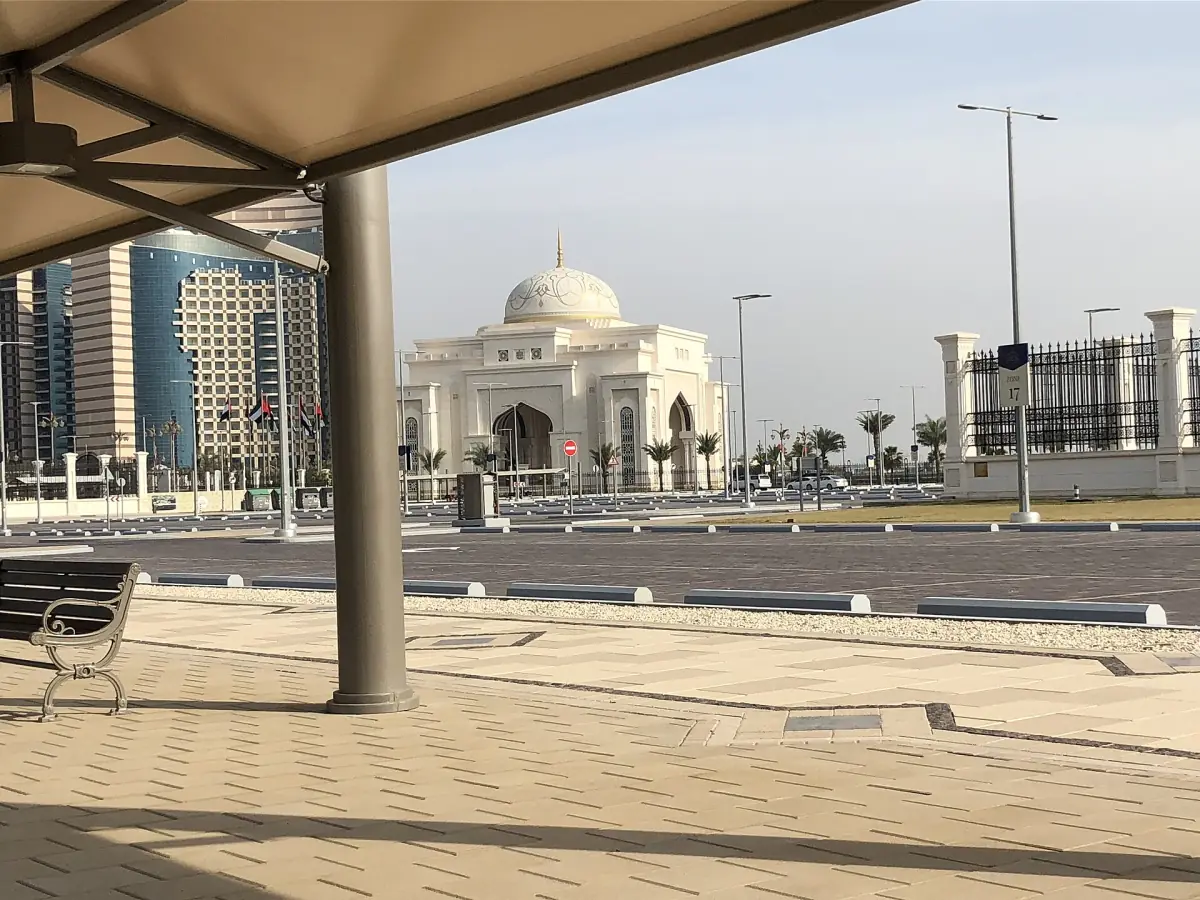
Abu Dhabi tours and day trips
Guided visits and city tours in Abu Dhabi, with live prices and availability.
Timeline of the mosque
From the founder's life to the first opening.
1918
Sheikh Zayed bin Sultan Al Nahyan is born.
August 1966
He becomes ruler of Abu Dhabi.
2 December 1971
The emirates unite to form the UAE.
5 November 1996
Construction of the mosque begins.
2004
Sheikh Zayed dies. The mosque opens for prayer after his death.
2007
The inner prayer halls first open, at Eid al-Adha.
The building project
People, companies and materials.
Workforce
More than 3,000 workers and 38 construction companies took part. Material and craft came from several countries.
Stone and mosaic
More than 165,000 m² of marble from Macedonia covers the outside, and much of the marble inside is Italian. The courtyard mosaic uses materials from Italy, India, Greece and China.
The carpet
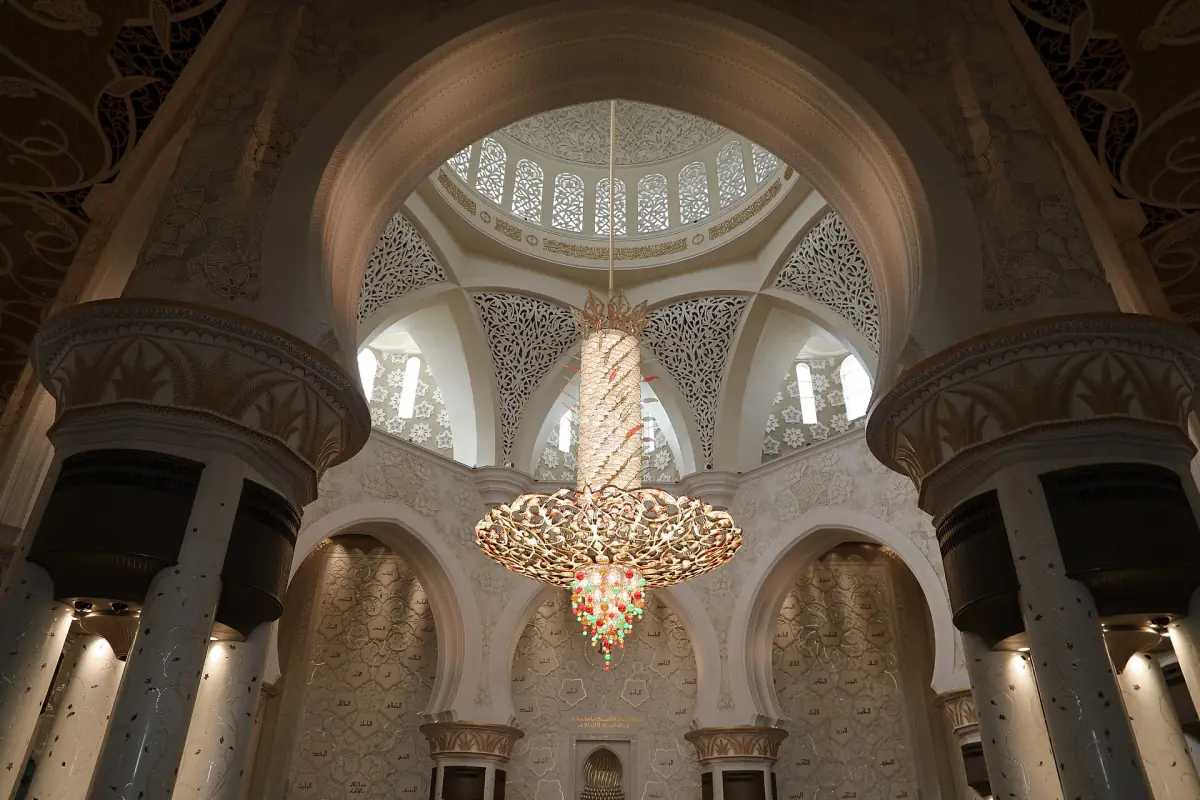
About 1,200 craftspeople worked for roughly 2 years, including design, on the hand-knotted carpet of the main hall. It covers about 5,400 m². See inside the mosque.
Design
The building combines several Islamic building traditions. The domes show mostly Moroccan and Mughal influence, and the style is not purely Ottoman. The architecture page goes through the details, and the facts page lists the numbers.
The mausoleum of Sheikh Zayed
What to expect as a visitor.
The site includes the mausoleum of Sheikh Zayed, where the Quran is recited continuously. This is a place of prayer and respect. Do not plan your day around entering the burial area, because free access is not something to rely on. Keep quiet near it and follow staff instructions.
For your visit, wear modest clothing. Women should wear loose, non-transparent clothing to the ankles with sleeves to the wrists and cover their hair. Men should avoid transparent, tight or sleeveless tops, and fully covered legs are recommended. Private, non-professional photos are allowed at the marked photo stops.
Visiting the mosque today
Practical details for 2026.
| Topic | Detail |
|---|---|
| Opening hours | 09:00 to 20:30, last entry 20:00; Friday 09:00 to 11:30 and 14:30 to 20:30 |
| Entry fee, foreign visitors | AED 10 (Emirates ID holders AED 5, tour-operator guests AED 8) |
| Public cultural tours | Free, 30 to 45 minutes, 11:00, 13:00 and 17:00 (Friday 11:00 and 17:00) |
Check the current fee when you register. Visiting in the evening lets you see the building in changing light: see the mosque at night. For most visitors, a late afternoon visit with a public tour is the easiest way to combine history and views.
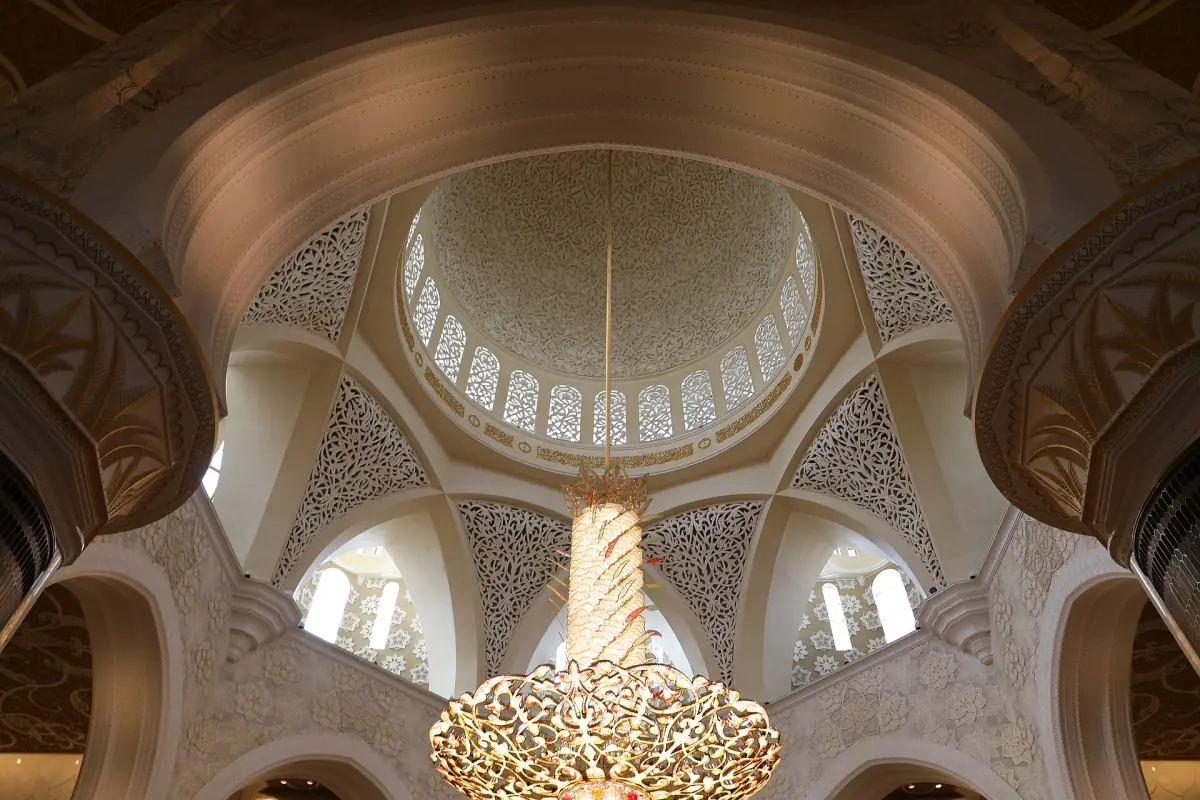
Around the site
Places on the grounds that belong to the visit.
Visitor centre and gate
Tourists enter through the visitor centre. The access road is Al Salam, with Gate 6. Worshippers use their own gates.
Souq Al Jami'
The souq has shops and restaurants and offers for families. It is a separate area from the prayer spaces and the ticket control.
Wahat Al Karama
The memorial Wahat Al Karama can be reached by a shuttle that runs about every 30 minutes from 10:00 to 19:15. Check the shuttle times on the day of travel. See how to get to the mosque.
Sheikh Zayed Mosque history: frequently asked questions
When was the Sheikh Zayed Mosque built?
Construction began on 5 November 1996. The inner prayer halls first opened for Eid al-Adha in 2007, after about 11 years of work.
Who was Sheikh Zayed?
Sheikh Zayed bin Sultan Al Nahyan (1918 to 2004) became ruler of Abu Dhabi in August 1966 and is regarded as the founder of the UAE, which formed on 2 December 1971.
Was the mosque finished before he died?
No. He died in 2004, and the mosque was opened for prayer only after his death.
Can I visit the tomb?
The mausoleum is part of the site, but you should not count on entering it. Follow the signs and the staff on the day.
How many people built it?
More than 3,000 workers and 38 construction companies took part, with materials and craft from several countries.
Is this the official Sheikh Zayed Mosque website?
No. This is an independent guide, not run by the mosque or any authority. Check times and fees at the visitor centre or when you register.